Portrait Painting by Michael Calbera
Kitano Tenmangu Shrine and Park
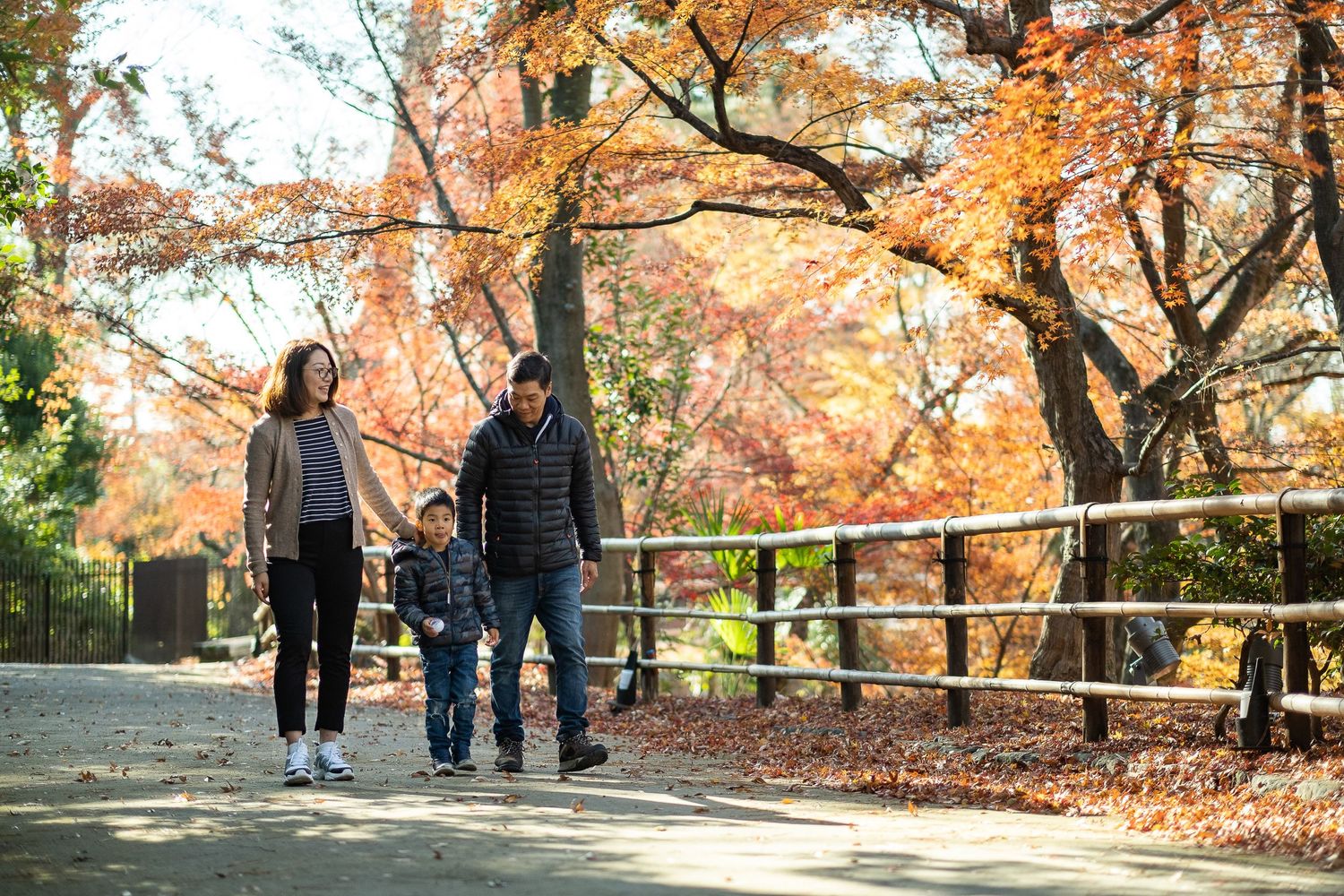
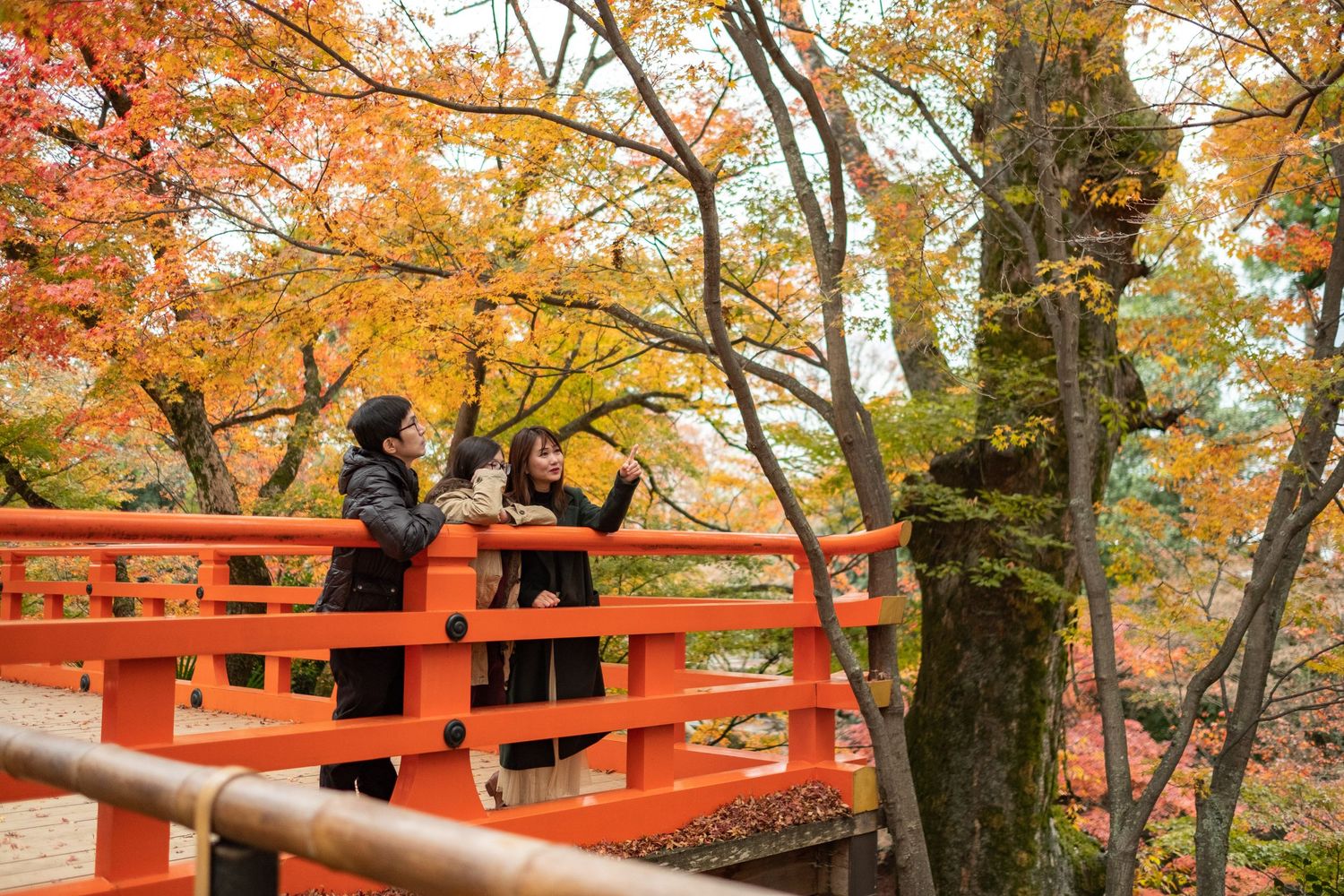
Momiji garden from historic site Odoi inside Kitano Tenmangū. Kitano Tenmangū is popular with students praying for success in exams because the deity was in his life a man of literature and knowledge.
Portrait Painting by Michael Calbera
History behind it
The shrine was first built in 947 to appease the angry spirit of bureaucrat, scholar and poet Sugawara no Michizane, who had been exiled as a result of political maneuvers of his enemies in the Fujiwara clan. From 1871 through 1946, the Kitano Tenman-gū was officially designated one of the Kanpei-chūsha (官幣中社), meaning that it stood in the second rank of government supported shrines.
Portrait Painting by Michael Calbera
Nanzenji Complex Area
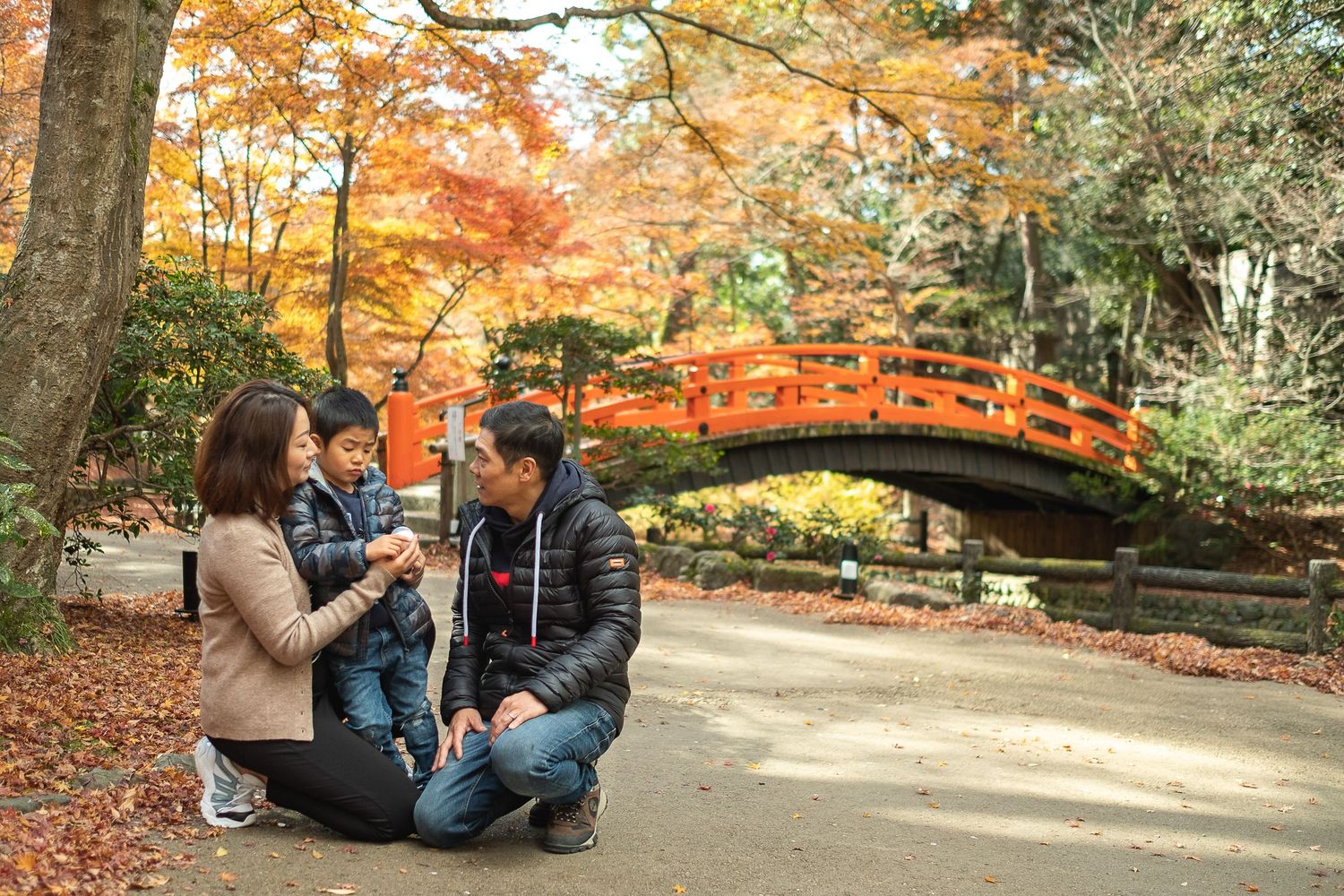
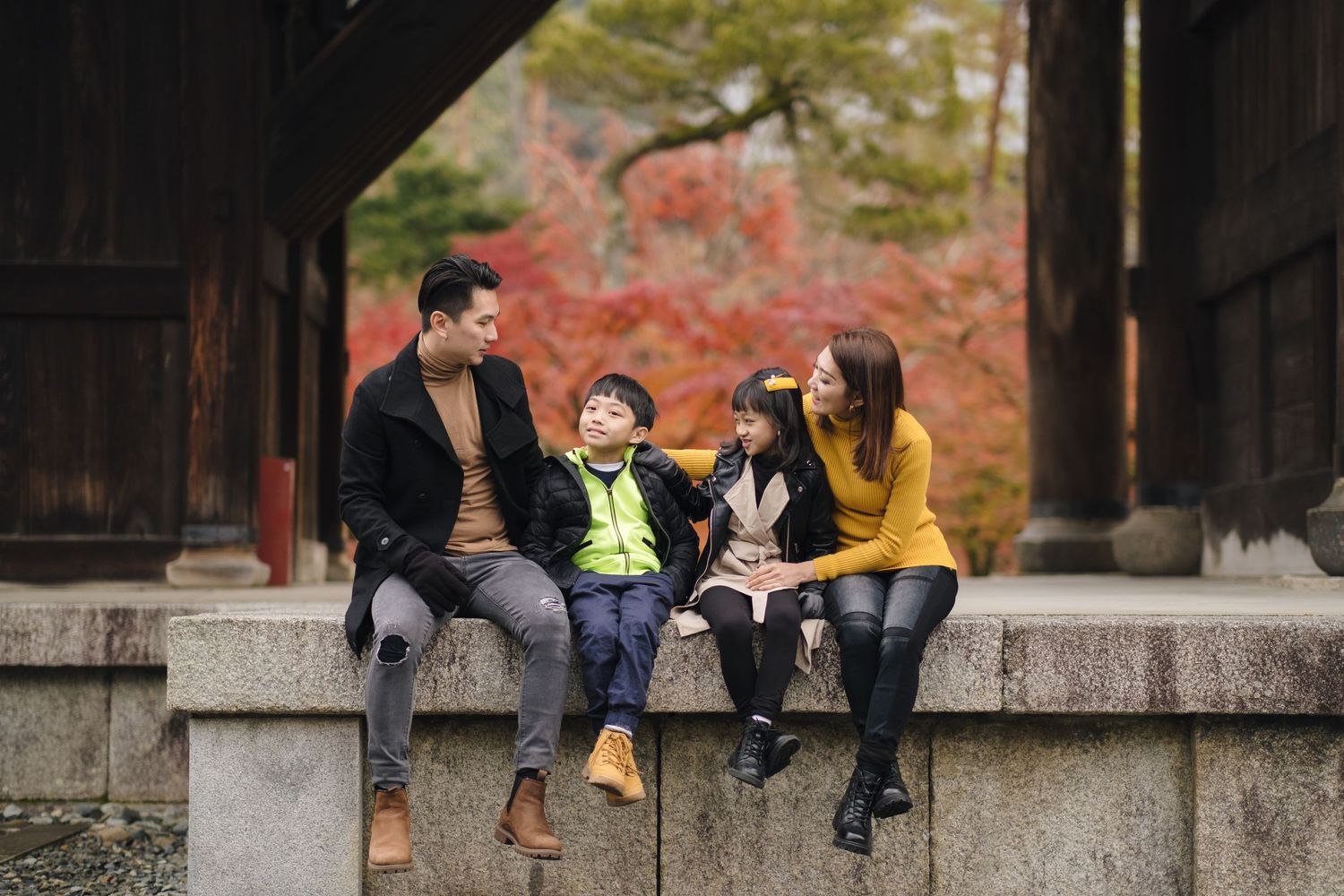
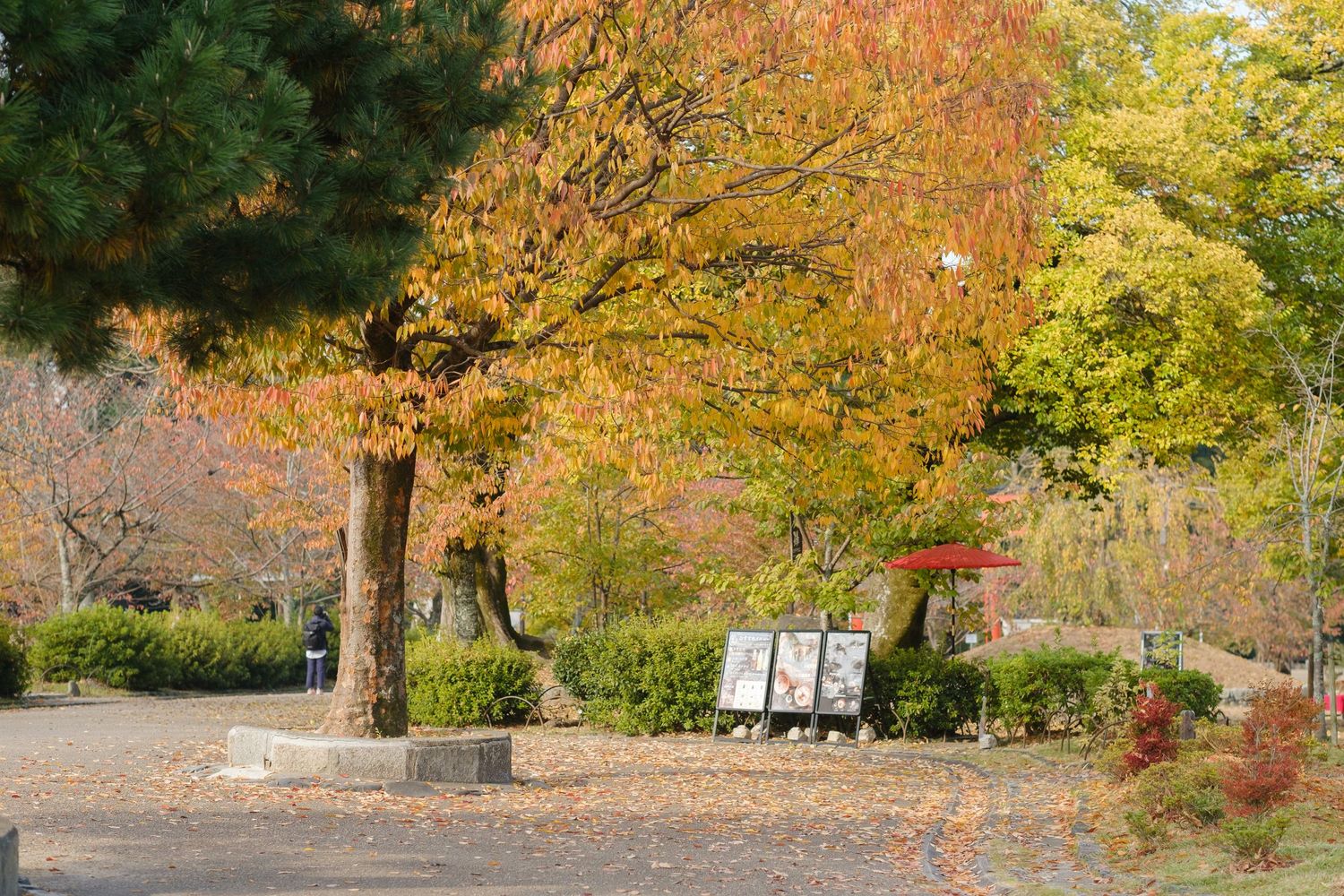
Nanzen-ji is not itself considered one of the "five great Zen temples of Kyoto" has very large complex with many old temples structures, autumn trees and gardens.
Portrait Painting by Michael Calbera
Maruyama park
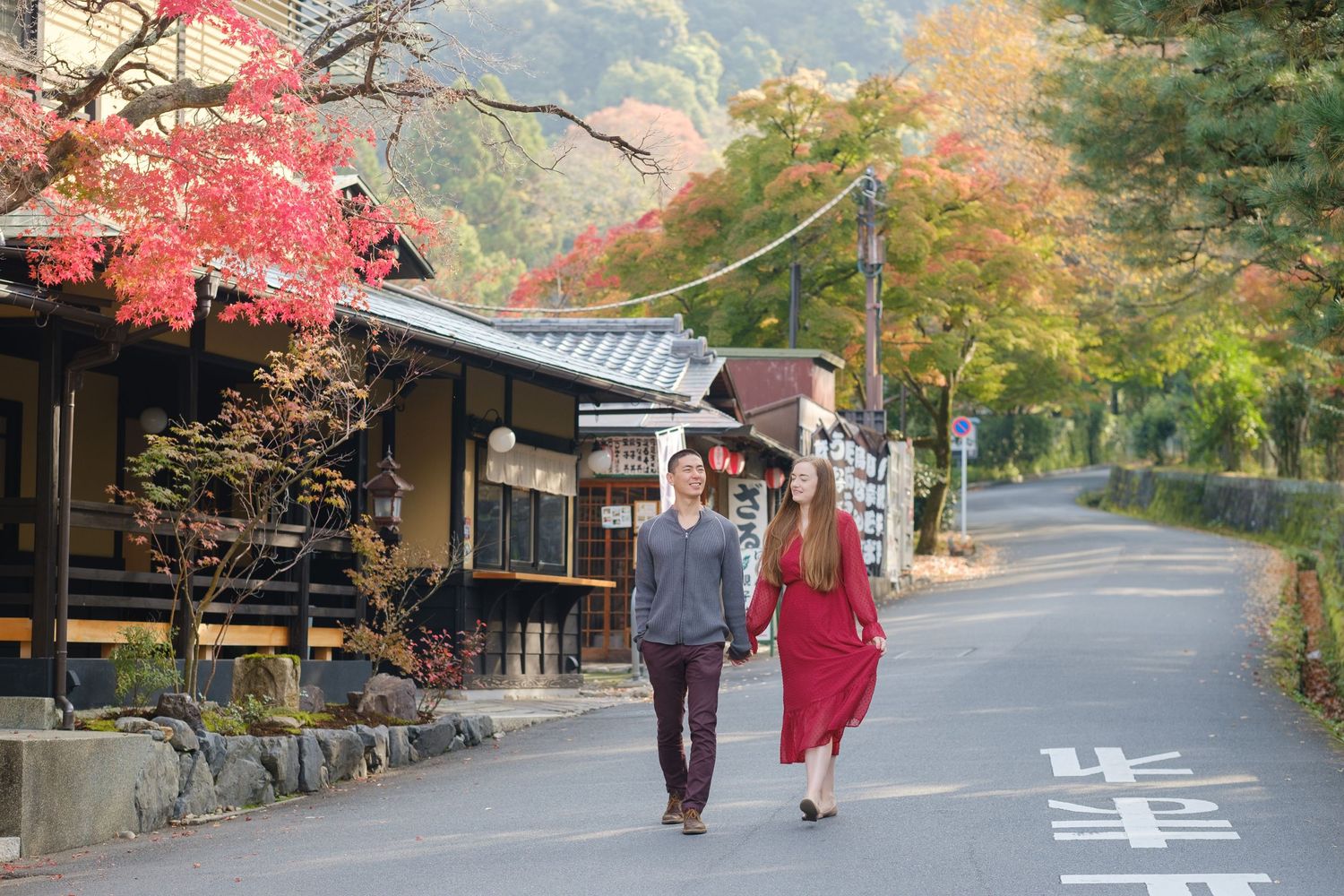
It is noted as the main center for cherry blossom viewing in Kyoto but also beautiful during fall.
Portrait Painting by Michael Calbera
History behind it
Maruyama Park was built on land formerly occupied by a number of temples, which had burnt down in a large fire — a problem endemic to the era. Designed by famous landscaper Jihei Ogawa, the park took almost three years to construct. A garden was later added to the park in 1912 by Ogawa, which incorporated the area’s existing hilly landscape and added a large central pond. Numerous tea houses were built around the pond and make for pleasant resting spots when strolling through the park.
Portrait Painting by Michael Calbera
Daigo-ji
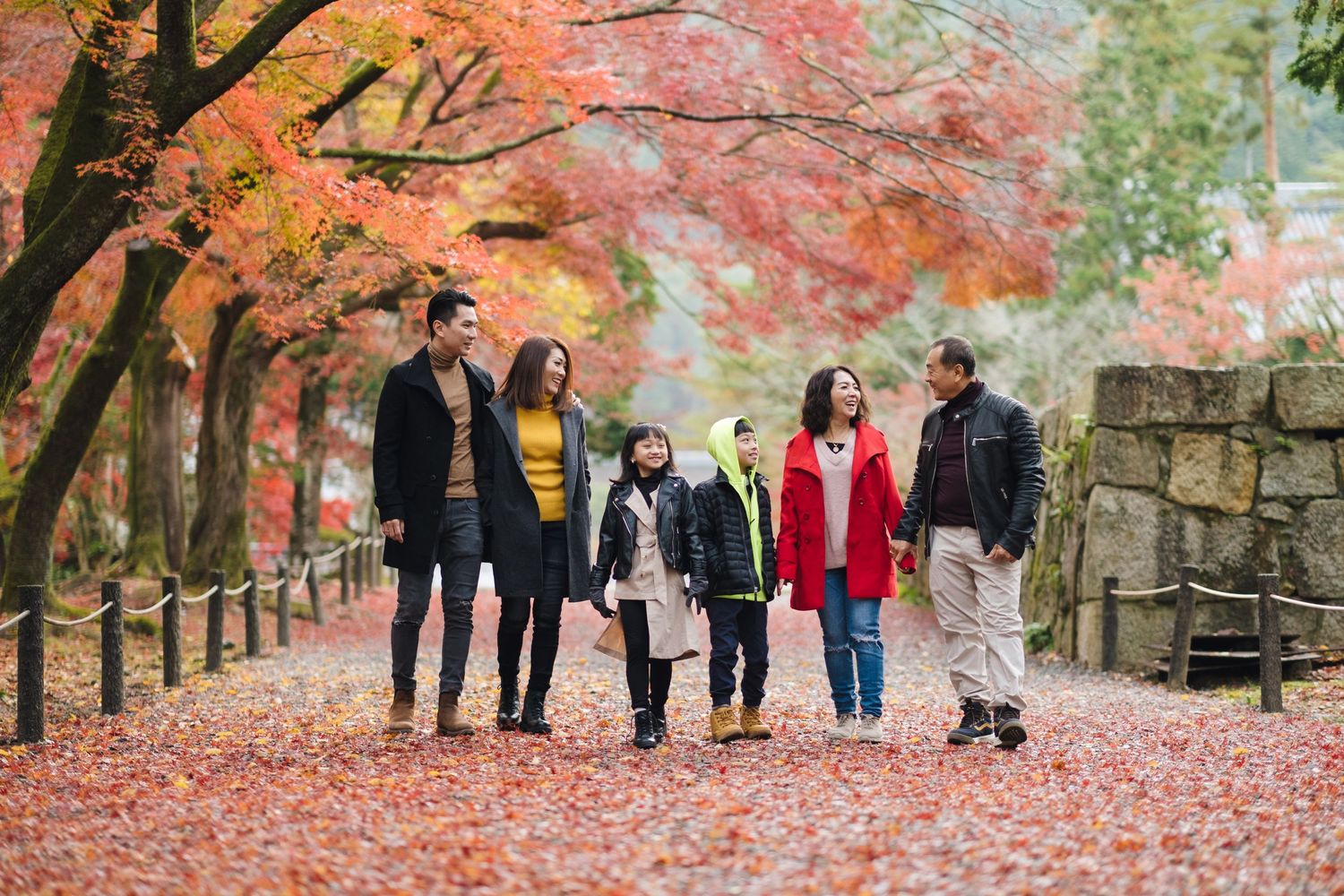
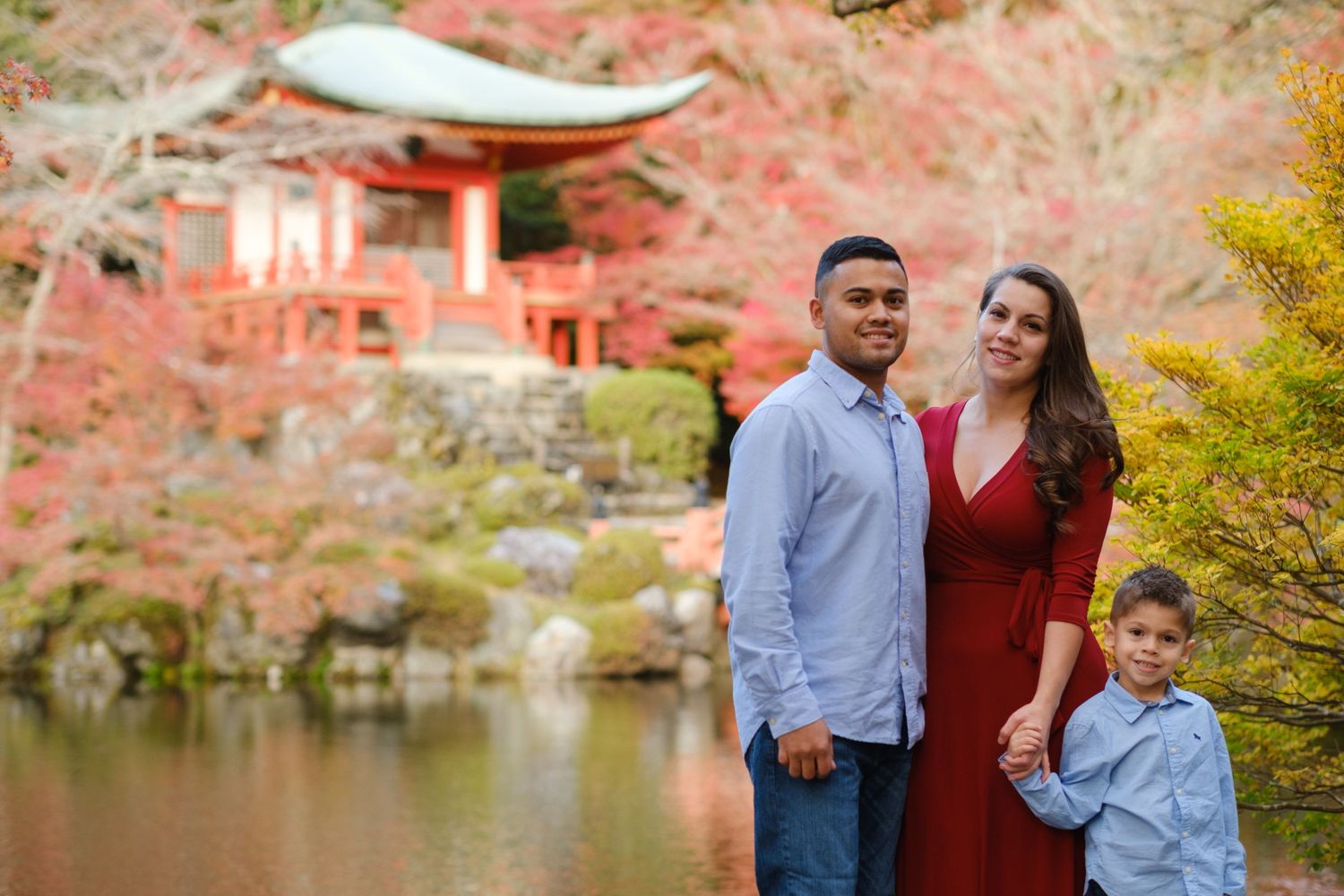
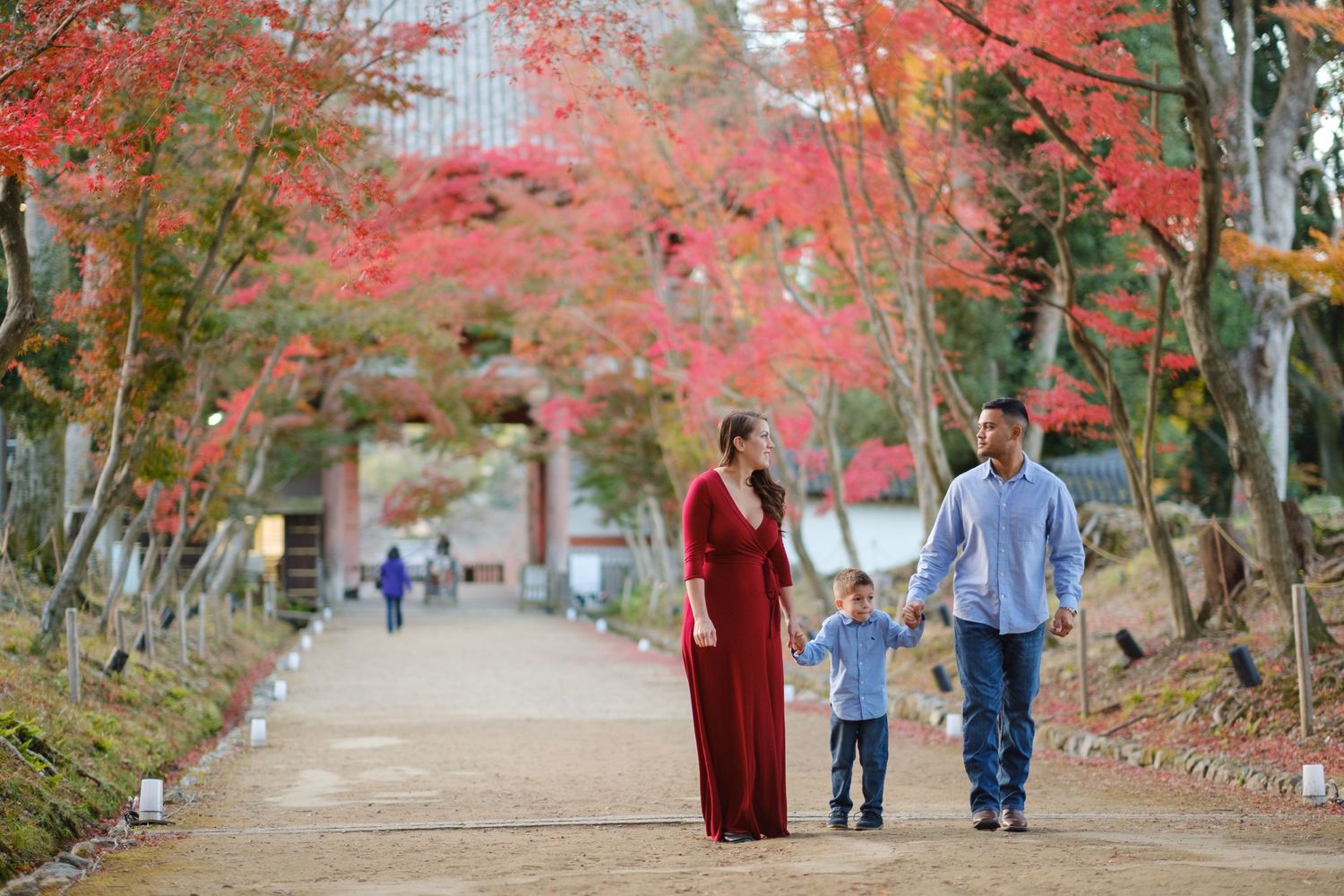
Sambō-in inside Daigo-ji Complex is a collection of walled complexes, connected by streets lined with many trees. It contains the temple proper (including a noted tea garden), a museum, and other complexes, and is very lively during autumn season. Shimo-Daigo (inside picture) is one large enclosure, containing detached halls, including the oldest surviving building in Kyoto, together with open spaces.
Portrait Painting by Michael Calbera
History behind it
Daigo-ji was founded in the early Heian period.[2] In 874, Rigen-daishi (Shōbō) founded the temple.
After having fallen ill and abdicated in 930, Emperor Daigo entered Buddhist priesthood at this temple. As a monk, he took the Buddhist name Hō-kongō; and shortly thereafter, died at the age of 46. He was buried in the temple, which is why his posthumous name was Daigo.
