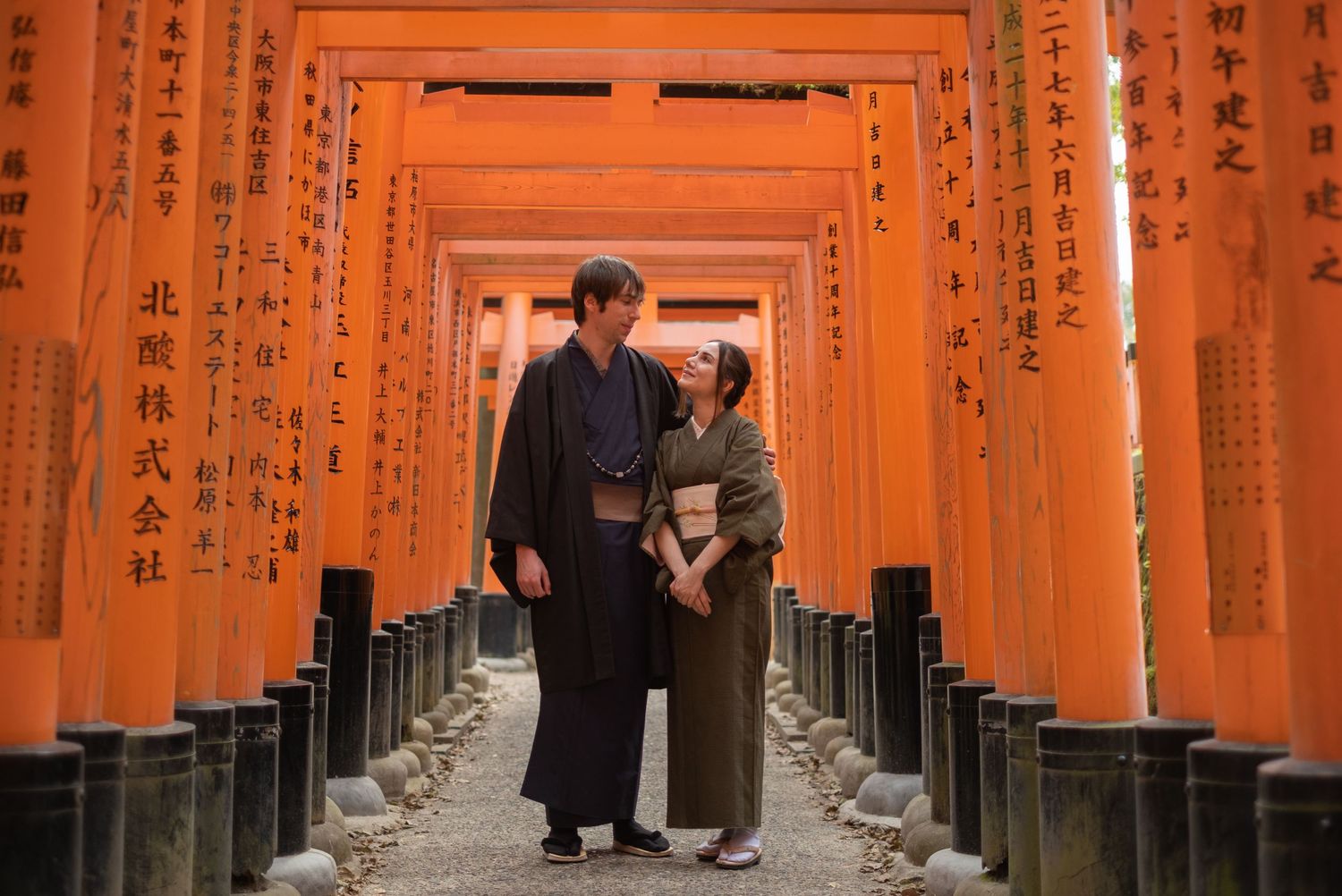
Fushimi Inari
Head shrine of the kami Inari, located in Fushimi-ku, Kyoto, Kyoto Prefecture, Japan. The shrine sits at the base of a mountain also named Inari which is 233 metres (764 ft) above sea level. Inari was originally and remains primarily the kami of rice and agriculture, but merchants and manufacturers also worship Inari as the patron of business. Each of Fushimi Inari-taisha's roughly thousand torii was donated by a Japanese business.
Owing to the popularity of Inari's division and re-enshrinement, this shrine is said to have as many as 32,000 sub-shrines (分社 bunsha) throughout Japan

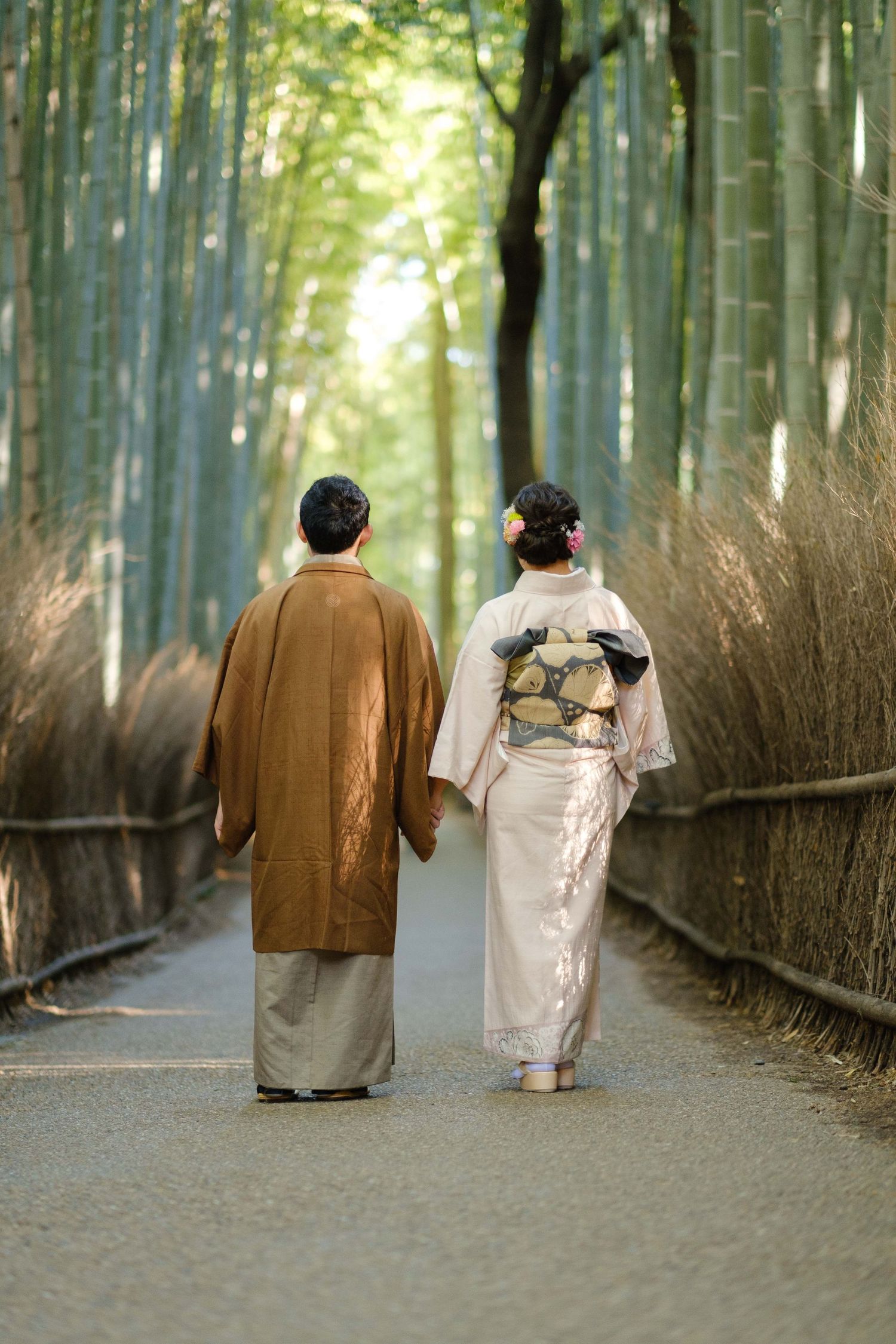
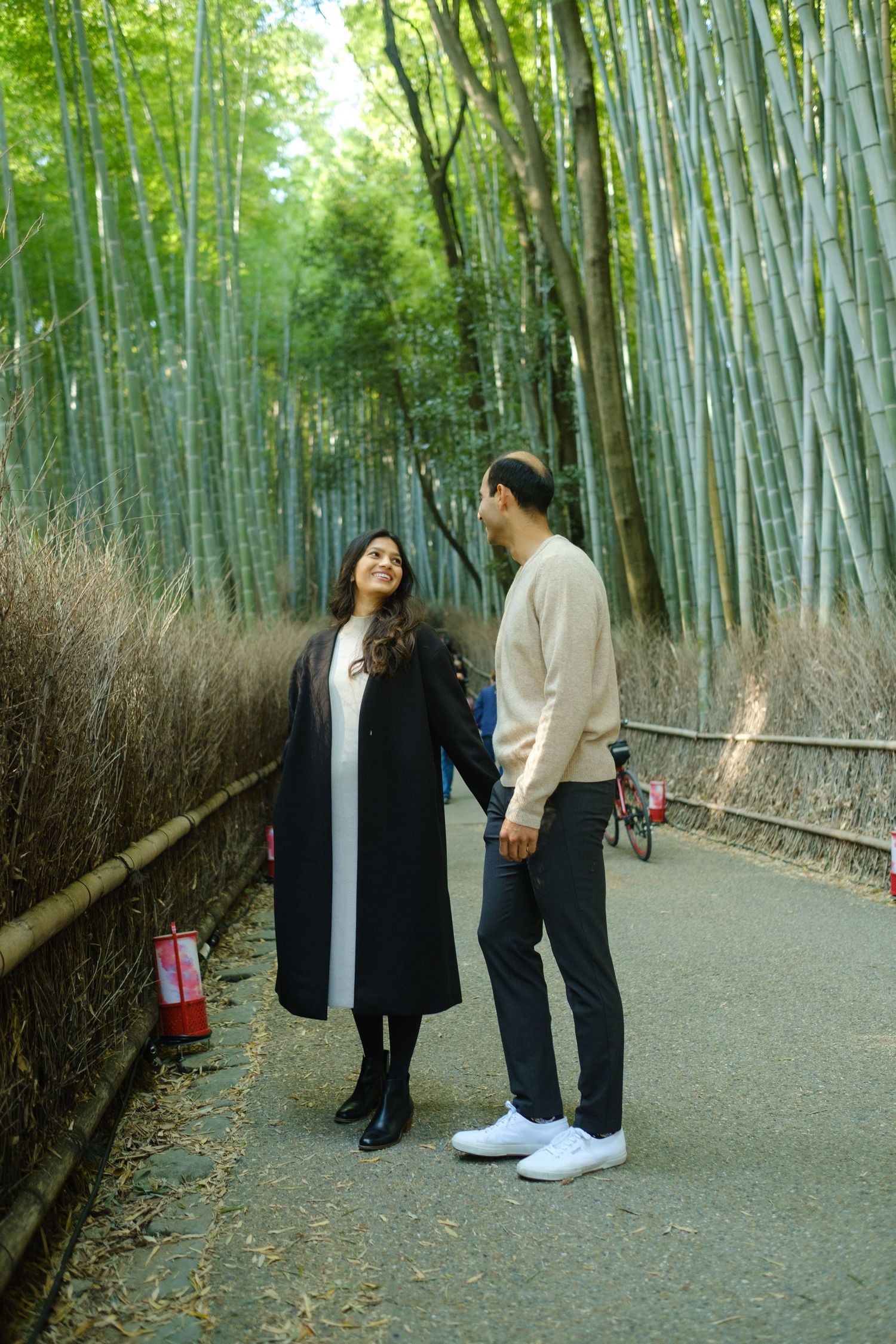
Arashiyama
District on the western outskirts of Kyoto, Japan. It also refers to the mountain across the Ōi River, which forms a backdrop to the district. Arashiyama is a nationally designated Historic Site and Place of Scenic Beauty.
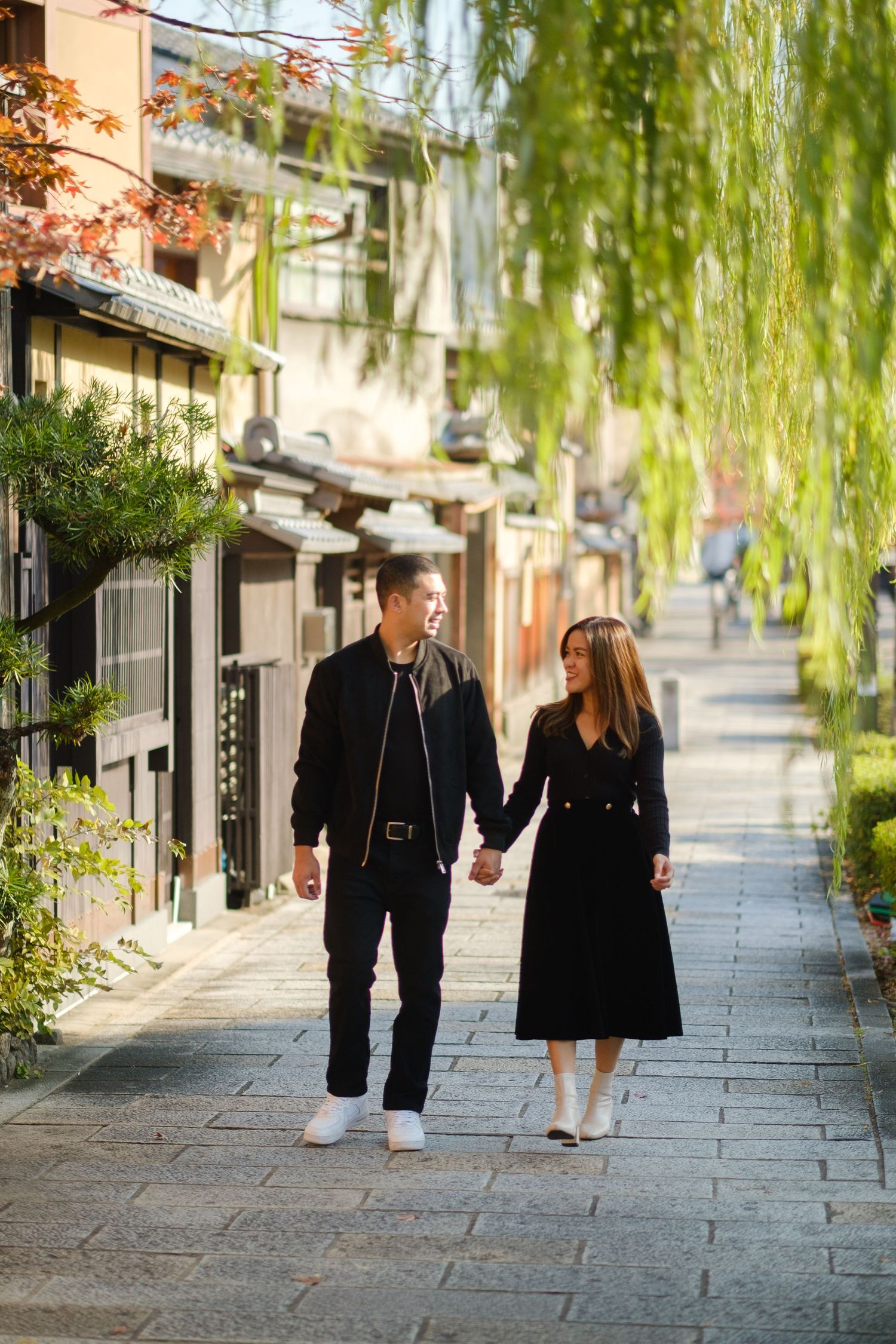
Gion
District of Kyoto, Japan, originating as an entertainment district in the Sengoku period, in front of Yasaka Shrine (Gion Shrine). The district was built to accommodate the needs of travellers and visitors to the shrine. It eventually evolved to become one of the most exclusive and well-known geisha districts in all of Japan. Gion is the Japanese translation (via Chinese Qiyuan) of the Buddhist term Jetavana.